
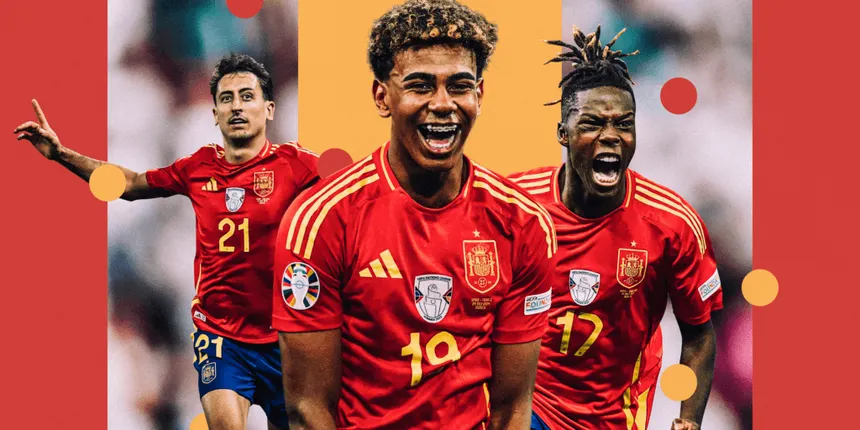

Spain’s run to the 2026 World Cup final, secured with a commanding 2-0 semifinal win over France, has confirmed what many observers suspected: the country is once again producing a generation of players capable of dominating international football.
A Foundation Built on Youth
Spain’s current squad blends teenage talents Lamine Yamal and Pau Cubarsí with more experienced figures, a combination that has powered the team to the European Championship in 2024 and now a World Cup final appearance. Cubarsí’s composed defensive performances throughout the tournament have been particularly notable given his age.
A Pattern of Late-Game Resilience
Unlike Spain’s dominant 2010 World Cup-winning generation, this current squad has often found success through late, decisive moments, with substitute Mikel Merino scoring the winning goals against both Portugal in the Round of 16 and Belgium in the quarterfinals.
Statement Wins When It Mattered
Spain’s semifinal victory over France, a team that had won every previous match without needing extra time, offered the clearest evidence yet that this generation can beat the tournament’s strongest sides comprehensively rather than narrowly.
Comparisons to the 2008-2012 Era
Spain’s previous golden generation, built around Xavi, Andrés Iniesta and Sergio Ramos, won the World Cup in 2010 and consecutive European Championships. This current group, with a European title already secured and a World Cup final appearance, has already begun drawing comparisons to that dominant period.
What Winning the Final Would Mean
A World Cup title in 2026 would confirm Spain’s return to the top of international football, adding to the European Championship won two years earlier and establishing this young core, particularly Yamal and Cubarsí, as the foundation for sustained success well into the next decade.