
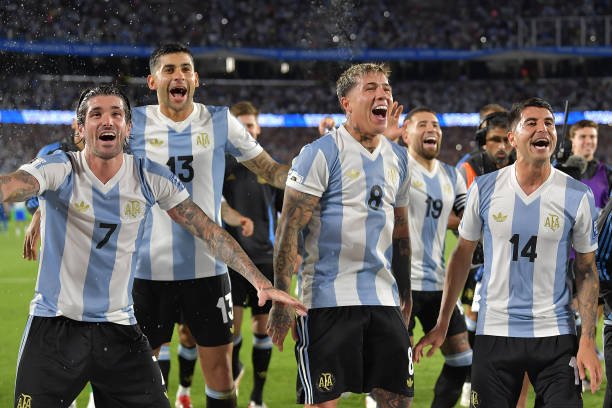

Even the most talented footballing nations make tactical errors, and Argentina’s history — rich with individual brilliance — has occasionally been undermined by decisions that cost the national team at the worst possible moments.
One recurring criticism across multiple tournament cycles has been over-reliance on individual quality at the expense of collective structure. Squads built around a single transcendent talent sometimes lacked a coherent defensive or pressing plan when that individual was shut down by well-organized opposition, leaving the team without a clear secondary approach to break down a disciplined defense.
Substitution timing has been another recurring point of criticism. Several tournament exits have been followed by post-match debate over defensive changes made too late to affect a match already slipping away, or attacking substitutions that disrupted a team’s rhythm rather than adding fresh impetus at the right moment.
Squad selection controversies have also shaped Argentina’s tactical history — decisions to leave in-form players at home in favor of more experienced but underperforming veterans, driven by loyalty or reputation rather than current club form, occasionally left the national team short of attacking or defensive options that might have changed a tournament’s outcome.
Tactical rigidity against specific opposition styles has been a further pattern. Sides sometimes struggled to adjust mid-match against opponents who nullified Argentina’s usual approach — either through aggressive pressing that Argentina’s build-up play wasn’t drilled to escape, or extremely deep, compact defending that individual quality alone couldn’t consistently break down without a clearer collective plan.
It’s worth noting the flip side: many of these criticized decisions came from coaching staffs who, in other tournaments, got the same type of call exactly right — which is part of what makes tactical analysis in hindsight easier than in the pressure of a live tournament. Scaloni’s more recent tenure is widely credited with correcting several of these historical patterns, building genuine defensive structure and squad depth rather than relying purely on individual brilliance — a shift that not coincidentally coincided with the country’s return to World Cup glory.
Studying these historical missteps isn’t about diminishing Argentina’s footballing legacy — it’s about understanding how even a nation with this much individual talent had to learn, sometimes painfully, that sustained tournament success requires tactical discipline as much as raw quality.