
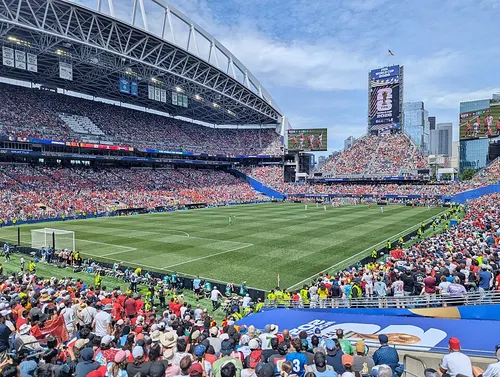

A 48-Team Tournament Exposed Both Strengths and Cracks
The expanded 2026 World Cup delivered spectacle, new footballing nations on the biggest stage, and a genuinely global month of football. It also exposed scheduling, officiating, and format problems that FIFA can’t keep patching over.
The Ten Changes Worth Debating
1. Standardize VAR Communication
Stadium announcements of VAR decisions remain inconsistent across confederations. Fans in the ground deserve the same clarity broadcast viewers get.
2. Rethink the Third-Place Playoff
A meaningless fixture squeezed into a congested calendar rarely reflects genuine competitive intent from either side.
3. Protect Recovery Time Between Knockout Rounds
A 48-team, 104-match tournament compresses rest windows precisely when player welfare should matter most.
4. Fairer Distribution of Prize Money
Smaller federations investing years in qualification deserve a distribution model that doesn’t overwhelmingly reward the usual powerhouses.
5. Consistent Pitch and Turf Standards
Multi-nation hosting means multiple climates and surfaces — a genuine challenge for player safety and ball behavior alike.
6. Transparent Disciplinary Panels
Retroactive suspensions and appeals processes remain opaque to fans and often to clubs.
7. Address Extreme Heat Scheduling
Certain host-city kickoff times in the 2026 cycle drew criticism over player conditions in peak summer heat.
8. Simplify the Group-to-Knockout Format
Twelve groups of four with eight best third-place teams advancing is mathematically elegant but genuinely confusing for casual fans mid-tournament.
9. Expand Goal-Line and Semi-Automated Offside Consistency
Technology exists; consistent, fast application across every match is the remaining gap.
10. Reinvest in Grassroots From World Cup Revenue
A tournament this profitable should visibly fund the federations and academies that supply its talent pipeline.
Why These Aren’t Just Wishlist Items
Every one of these issues surfaced in real time during 2026 broadcasts and post-match reactions from players and coaches. They’re not theoretical; they’re the difference between a good World Cup and a genuinely well-run one.
Key Takeaways
- Player welfare and scheduling are the most urgent fixes after a 104-match, 48-team tournament.
- Officiating transparency remains an open wound for fans and federations alike.
- Financial reinvestment in grassroots football is an easy win FIFA hasn’t fully embraced.
Conclusion
FIFA doesn’t need to reinvent the World Cup. It needs to fix the parts already showing wear before the next cycle begins.
FAQ
How many teams competed in the 2026 World Cup? A record 48 teams, up from 32 previously.
How many matches were played at the 2026 World Cup? A total of 104 matches across group and knockout stages.
Why is scheduling a concern in the expanded format? More matches and teams compress recovery time between knockout rounds.