

Introduction
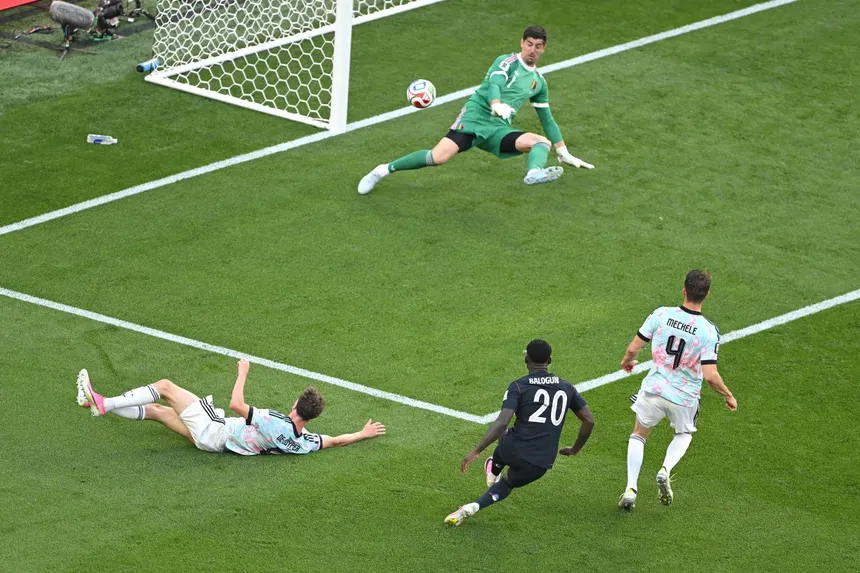
Tim Howard’s 15 saves against Belgium in the 2014 Round of 16 remain one of the defining images in USMNT World Cup history — heroic in defeat, since the Red Devils still won 2-1 after extra time. Twelve years on, the two nations meet again at the same stage, this time with the United States hosting on home soil and a different manager, system and generation of players attempting to finally get past a team that has beaten them in six of their seven all-time meetings.
Table of Contents
- Current form: contrasting routes to the last 16
- Head-to-head history
- Predicted lineups
- Injury and fitness news, including the Balogun suspension controversy
- Strengths and weaknesses
- Tactical matchup
- Players to watch
- Manager battle
- Key statistics
- Prediction and possible scorelines
Current Form
The USA topped Group D, beating Paraguay 4-1 and Australia 2-0 before a dead-rubber 3-2 loss to Turkey with qualification already secured, then beat Bosnia and Herzegovina 2-0 in the Round of 32 despite playing over half that match with ten men following Folarin Balogun’s red card. Belgium finished top of Group G on goal difference, drew with Egypt and Iran, thrashed New Zealand 5-1, then survived a dramatic 3-2 extra-time win over Senegal after trailing 2-0 with five minutes left in normal time.
Head-to-Head History
The USA’s only win in seven all-time meetings with Belgium came in the inaugural 1930 World Cup, a 3-0 victory in Uruguay. Belgium has won the other six meetings, including the famous 2014 Round of 16 tie. The two sides also met in a March 2026 pre-tournament friendly, which Belgium won 5-2.
Predicted Lineups
USA (3-5-2, expected): Matt Freese; Alex Freeman, Chris Richards, Tim Ream; Sergiño Dest, Weston McKennie, Tyler Adams, Malik Tillman, Antonee Robinson; Folarin Balogun, Christian Pulisic.
Belgium (4-3-3, expected): Thibaut Courtois; Timothy Castagne, Brandon Mechele, Arthur Théate, Maxim De Cuyper; Nicolas Raskin, Youri Tielemans; Leandro Trossard, Kevin De Bruyne, Jeremy Doku; Romelu Lukaku or Charles De Ketelaere.
Injury and Fitness News
The most notable team news going into this match is not an injury but a suspension reversal: Folarin Balogun’s red card against Bosnia and Herzegovina was initially set to rule him out of this fixture, but FIFA overturned the suspension following a public intervention from United States President Donald Trump, and Balogun is now available. On Belgium’s side, Romelu Lukaku had been managing his own fitness through the group stage and is a doubt to start, with Charles De Ketelaere the likely alternative leading the line, though Lukaku remains a dangerous substitute option regardless.
Strengths and Weaknesses
The USA’s strength under Mauricio Pochettino is a genuine pressing structure and quick transitions through Pulisic and the wide players, built on a double pivot of Adams and Tillman that covers ground efficiently. Their weakness is a defence that has looked shaky against pace in behind, something Belgium’s front three of Trossard, De Bruyne and Doku is well equipped to exploit.
Belgium’s strength remains individual quality across the pitch, led by De Bruyne’s continued influence at 34 and Lukaku’s proven scoring pedigree even in a reduced role. Their weakness is a squad that has looked slower and older in wide areas than in previous cycles, and their extra-time struggle against Senegal suggests fitness could be a factor if this tie goes the distance.
Tactical Matchup
Analysis: Pochettino’s USA want to press Belgium’s back four high out of possession and transition quickly through Pulisic and the wide areas once the ball is won, with Adams and Tillman built to cover ground and recycle possession efficiently. Belgium, conversely, are more comfortable building through De Bruyne’s range of passing from deep, looking to isolate Doku and Trossard in wide one-on-one situations against USA full-backs Dest and Robinson.
Players to Watch
Folarin Balogun (USA): USA’s leading scorer with three goals at this World Cup, and now available after his suspension reversal, restoring the system Pochettino built this attack around.
Kevin De Bruyne (Belgium): Still Belgium’s chief creator at 34, with a goal and four shots on target already at this tournament, and the player who sets the tempo for everything Belgium try to do in possession.
Manager Battle
Mauricio Pochettino has built a USA side around pressing and quick transitions rather than pure possession dominance, a system that has produced results even when the team has had to play with ten men, as they did against Bosnia and Herzegovina. Rudi Garcia’s Belgium have looked less convincing for long stretches of the tournament but have shown a capacity for late resilience, as demonstrated by the comeback against Senegal.
Key Statistics Table
| Metric | USA | Belgium |
|---|---|---|
| Games played | 5 | 5 |
| Goals scored | 11 | 12 |
| Goals conceded | 6 | 8 |
| All-time head-to-head | 1 win (1930) | 6 wins |
| Best USA World Cup finish | Third place (1930) | Third place (2018) |
Analysis compiled from tournament results through the Round of 32, not official FIFA statistics.
Prediction
Analysis: Home advantage, a raucous Lumen Field crowd, and the restoration of Balogun to the USA attack are significant factors working in the co-hosts’ favour, and Belgium’s extra-time struggle against Senegal raises real fitness questions for an ageing squad. Belgium’s individual quality, however, remains a threat that has troubled far better-organised defences than the USA’s across this tournament.
Predicted scoreline: USA 2-1 Belgium after extra time, with both Balogun and De Bruyne among the scorers.
Risk factor: If Belgium’s front three of Doku, Trossard and De Bruyne find early space in behind USA’s high defensive line, the game could turn into an open, high-scoring contest that favours Belgium’s superior individual quality in the final third.
Conclusion
Twelve years after Tim Howard’s heroic defeat in Salvador, the USA get a rare second chance at the same opponent, this time in front of a home crowd and with a genuinely coherent tactical plan behind them. Whether that’s enough to finally beat Belgium in a competitive fixture remains a coin flip — but for the first time in this fixture’s history, it is a coin flip rather than a mismatch.