
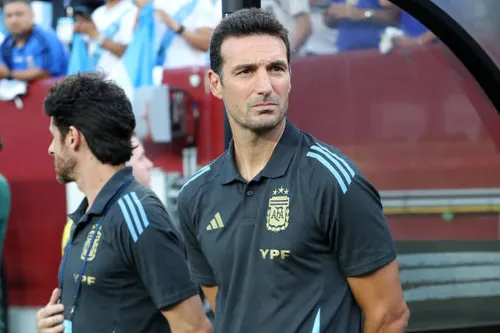

Argentina’s run to the World Cup 2026 semifinal has been defined as much by team unity as individual quality, a reflection of the culture manager Lionel Scaloni has built since taking charge in 2018.
A Squad Built on Trust
Scaloni’s Argentina has repeatedly found ways to win even when trailing late in matches, including a comeback from 2-0 down against Egypt in the Round of 16 and an extra-time victory over Switzerland in the quarterfinals. That resilience reflects a squad culture where players trust each other to deliver, rather than relying on panic or blame when results are in doubt.
Sharing the Spotlight
Unlike past Argentina squads sometimes criticized for over-reliance on individual stars, this generation has shown a willingness to share responsibility. Julián Álvarez’s extra-time winner against Switzerland and Enzo Fernández’s stoppage-time goal against Egypt both came from players other than Messi, reflecting a squad comfortable with multiple players stepping into decisive roles.
Continuity as Culture
Many of the squad’s core players have remained together across Scaloni’s entire tenure, including the 2022 World Cup win and two Copa América titles. That continuity has allowed a level of trust and understanding between teammates that newer, less settled squads often lack.
Messi’s Role as Unifying Figure
Even as his own role evolves, with his assist rather than goal proving decisive against Switzerland, Messi’s continued presence as a senior figure has helped maintain the squad’s collective focus heading into the latter stages of what is likely his final World Cup.
The Semifinal Test
Facing England, this culture of shared responsibility and mutual trust will be tested once more, with a place in the World Cup final against Spain the reward for whichever team’s unity proves stronger under pressure.