

Introduction
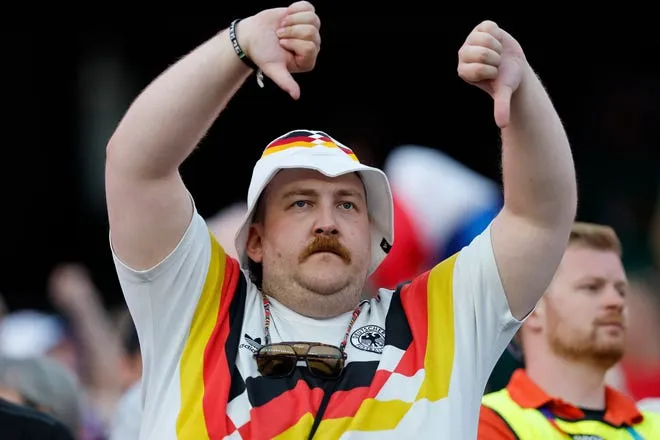
Germany had won six of their seven all-time major-tournament penalty shootouts and had never previously lost one at a World Cup. Monday, June 29, in Foxborough put an end to both records at once, as No. 34-ranked Paraguay eliminated the four-time champions on penalties following a 1-1 draw — a result immediately described inside German football as another embarrassment to sit alongside early exits at the previous two World Cups.
Table of Contents
- How Germany got here
- The match: control without a cutting edge
- Biggest tactical mistakes
- Manager decisions under scrutiny
- Player errors and missed penalties
- The disallowed goal that changed everything
- Statistical breakdown
- Mental factors: a shootout record shattered
- Future consequences for German football
- Lessons learned
How Germany Got Here
Germany arrived at this Round of 32 tie having topped their group, including a 7-1 opening win over Curaçao, and were seeded as one of the tournament favourites heading into the knockout stage. Paraguay, by contrast, advanced as a third-place finisher after a group stage that included a 4-1 loss to the USA, and entered the tie as significant underdogs against the 10th-ranked side in the world.
The Match: Control Without a Cutting Edge
Analysis based on match reports: Paraguay took a first-half lead against the run of play through Julio Enciso’s header, before Germany’s dominance of the ball — they held roughly 75% possession across the match — eventually told when Kai Havertz headed home a Florian Wirtz cross shortly after half-time. From that point, Germany largely controlled proceedings without finding a second goal, and the match went to extra time and then penalties still level at 1-1.
Biggest Tactical Mistakes
Analysis: Germany’s overwhelming share of possession did not translate into clear-cut chances, a recurring problem in the country’s recent tournament cycles where dominance of the ball has not consistently produced defensive breakthroughs against well-organised opposition. Paraguay’s structure, built around limiting space rather than pressing high, was a specific defensive masterclass that neutralised most of Germany’s central attacking threat throughout the 120 minutes.
Manager Decisions Under Scrutiny
Julian Nagelsmann’s team selection and in-game management were called into question after the result, with post-match German media coverage describing the performance as symptomatic of a broader pattern rather than a one-off collapse. Nagelsmann himself acknowledged the scale of the disappointment afterward, saying it was “not enough for German football,” while stopping short of confirming his own future in the role.
Player Errors and Missed Penalties
The defining moments of the match came in the shootout, where Kai Havertz and Nick Woltemade both had penalties saved by Paraguay goalkeeper Orlando Gill, before Jonathan Tah — who had earlier thought he’d scored a legitimate go-ahead goal in extra time — blazed his effort over the crossbar to send Germany out. Paraguay’s own composure was tested when Antonio Sanabria and Fabián Balbuena missed golden opportunities to win it themselves, only for José Canale to convert the decisive sudden-death kick.
The Disallowed Goal That Changed Everything
Analysis: The single biggest turning point in the match arrived in extra time, when Jonathan Tah’s powerful header from a corner was ruled out by VAR after Waldemar Anton was adjudged to have fouled Paraguay goalkeeper Orlando Gill in the build-up — a decision Germany’s camp viewed as harsh, and one that, had it stood, would very likely have won the match for Germany outright rather than sending it to penalties at all.
Statistical Breakdown
Germany dominated the underlying possession numbers but managed only a limited return in shots on target relative to that control, while Paraguay — playing with just 25% of the ball — created a similar number of genuinely dangerous chances despite the disparity in territory. Germany’s exit marked the first time in the nation’s World Cup history that they had lost a penalty shootout, a record that had stood since their first shootout appearance decades earlier.
Mental Factors: A Shootout Record Shattered
Germany had won six consecutive shootouts across major tournaments since a defeat to Czechoslovakia in the 1976 European Championship final, a psychological advantage widely referenced in German football culture as a mark of tournament composure under pressure. That record’s collapse — with three separate Germany players missing their kicks — represents as much a symbolic blow to the national team’s tournament identity as a footballing one.
Future Consequences for German Football
This marks Germany’s third consecutive underwhelming major tournament exit, following early departures at the 2018 and 2022 World Cups, intensifying scrutiny on the broader direction of the national team setup regardless of any individual coaching change. German football media described the result as a full-blown crisis rather than a one-off shock, given the pattern now established across three straight tournament cycles.
Lessons Learned
The clearest lesson is that dominant possession without a clinical edge remains an unresolved problem for this German generation, one that a disciplined, well-drilled underdog was able to exploit for 120 minutes before settling the tie on penalties. The disallowed Tah goal is a reminder that fine refereeing margins can define tournament outcomes, but Germany’s broader inability to convert control into goals across three straight tournaments points to a deeper, more structural issue than one VAR decision.
Key Statistics Table
| Metric | Figure |
|---|---|
| Final score | Germany 1-1 Paraguay (Paraguay win 4-3 on penalties) |
| Germany’s previous shootout record (major tournaments) | 6 wins, 0 losses |
| Germany’s possession share | ~75% |
| Consecutive early World Cup exits (2018, 2022, 2026) | 3 |
| Last German World Cup knockout win | 2014 Final (vs Argentina) |
Analysis compiled from match reports, not official FIFA statistics unless otherwise cited.
Conclusion
Germany’s exit will be remembered less for the goals scored than for the ones missed — three penalties spurned in the shootout, and a Jonathan Tah header ruled out by the finest of VAR margins in extra time. Combined with early departures at the previous two World Cups, this defeat has reignited a much broader conversation about German football’s direction rather than being dismissed as an isolated shock.