

Introduction
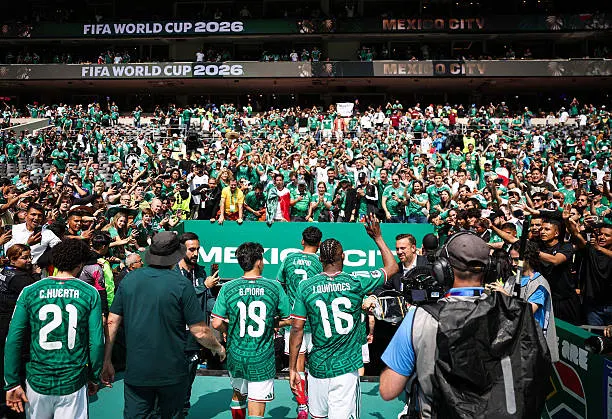
Mexico controlled 67% of possession, matched England shot for shot on target, and generated a higher expected-goals return over the 90 minutes — and still went out of their own World Cup in the Round of 16. Jude Bellingham’s quickfire brace inside 98 seconds proved the difference in an instant classic at the Azteca, extending Mexico’s wait for a first World Cup quarter-final since 1986 despite arguably outplaying England for long stretches of the match.
Table of Contents
- How Mexico got here
- The match: dominance without the scoreline to match
- Biggest tactical mistakes
- Manager decisions under scrutiny
- The 98 seconds that decided the tie
- Defensive problems at set pieces and in transition
- Statistical breakdown
- Mental factors: altitude, history, and a raucous crowd
- Future consequences for Mexican football
- Lessons learned
How Mexico Got Here
Mexico entered the Round of 16 unbeaten and having won all four of their matches, already their best start to a single World Cup edition in the nation’s history, conceding just once across those four games. That form, combined with the altitude and famously hostile atmosphere of the Azteca, made Mexico legitimate outsiders to cause an upset against an England side that had needed a late brace from Harry Kane to escape the Round of 32 against DR Congo.
The Match: Dominance Without the Scoreline to Match
Analysis based on match reports: England took the lead through Jude Bellingham in the 36th minute, following a swift counter-attacking move involving Declan Rice and Bukayo Saka, before Bellingham doubled the lead just 98 seconds later. Julián Quiñones pulled a goal back for Mexico before half-time, and after Jarell Quansah’s 54th-minute red card reduced England to ten men, Harry Kane converted a penalty to restore England’s two-goal cushion, only for Raúl Jiménez to convert a penalty of his own to set up a tense finish that Mexico narrowly failed to complete.
Biggest Tactical Mistakes
Analysis: Mexico’s overall statistical dominance — 67% possession and a higher expected-goals return of 2.02 to England’s 1.55 — suggests the underlying tactical approach was largely sound, making the specific defensive lapse that led to Bellingham’s opener and the quickfire second all the more costly. Mexico’s inability to convert a numerical advantage for more than 35 minutes of second-half football against ten men into a winning position represents the clearest missed opportunity of the match.
Manager Decisions Under Scrutiny
Javier Aguirre’s Mexico were widely praised across the tournament for a defensively disciplined approach that had conceded only once in four matches, making the concession of three goals against England — more than in Mexico’s previous ten World Cup matches at the Azteca combined — a striking departure from the team’s established pattern. Aguirre’s inability to fully capitalise on England’s numerical disadvantage for the second half’s closing stages will likely be the most scrutinised aspect of his tactical management in the post-tournament review.
The 98 Seconds That Decided the Tie
Analysis: The single most decisive passage of the match was Bellingham’s brace inside 98 seconds — the second-earliest instance of an England player scoring twice in a World Cup match, behind only Gary Lineker’s effort in 1986. That burst effectively meant Mexico spent the remainder of the match chasing the game, even after pulling level on the underlying chance-creation numbers, because the scoreline never reflected their overall territorial and statistical dominance.
Defensive Problems at Set Pieces and in Transition
Mexico’s specific defensive vulnerability was exposed in transition rather than through sustained pressure — England’s opening goal stemmed from a rapid counter-attacking move launched directly from a Jordan Pickford save, exploiting space Mexico’s high defensive line left in behind. Despite Mexico’s overall defensive record entering the match, this specific breakdown pattern proved costly against an England side well-drilled in quick vertical transitions.
Statistical Breakdown
Mexico became the first side ever to concede three goals in a match at the Azteca since a 1999 friendly loss to Brazil, and had gone 15 consecutive World Cup first halves without conceding before Bellingham’s double ended that run. Despite the defeat, Mexico’s higher expected-goals figure (2.02 to England’s 1.55) and overall shot count underline that the result did not fully reflect the balance of play across the 90 minutes.
Mental Factors: Altitude, History, and a Raucous Crowd
The match carried significant symbolic weight for England, given their previous visit to the Azteca ended in Diego Maradona’s infamous “Hand of God” defeat in 1986 — a historical wound Thomas Tuchel’s side were consciously aware of overcoming. For Mexico, the pressure of ending a 65-match World Cup history without ever winning the tournament, now extended further, added psychological weight to a home crowd desperate for a different outcome.
Future Consequences for Mexican Football
Despite the elimination, Mexico’s federation and pundits pointed to genuine reasons for optimism given the underlying performance data against a top-four ranked England side, with the team’s defensive solidity across the group stage and Round of 32 suggesting a squad capable of building toward future tournament cycles. Julián Quiñones enters the post-tournament conversation as a genuine international talent, having equalled a 1998-era Mexican scoring record for a single World Cup edition.
Lessons Learned
The clearest lesson from Mexico’s exit is that statistical dominance across a match does not guarantee a positive result if a small number of clinical moments go the other way — Bellingham’s 98-second burst effectively decided a tie that Mexico controlled for large stretches, including for over half an hour against ten men. The specific defensive transition weakness that led to England’s opener is the most actionable area for improvement heading into Mexico’s next major tournament cycle.
Key Statistics Table
| Metric | Figure |
|---|---|
| Final score | Mexico 2-3 England |
| Possession | Mexico 67%, England 33% |
| Expected goals (xG) | Mexico 2.02, England 1.55 |
| Goals conceded at the Azteca (single match) | 3 (first time since 1999) |
| Mexico’s all-time World Cup quarter-final appearances | 1 (1986) |
Analysis compiled from match reports, not official FIFA statistics unless otherwise cited.
Conclusion
Mexico’s Round of 16 exit is a rare case of a genuinely competitive, statistically dominant performance still ending in elimination — outplaying England for long stretches, including with a numerical advantage for over half the second half, but undone by a 98-second window that decided the entire tie. The underlying numbers suggest this Mexico side is closer to a first World Cup quarter-final since 1986 than the scoreline alone indicates.