
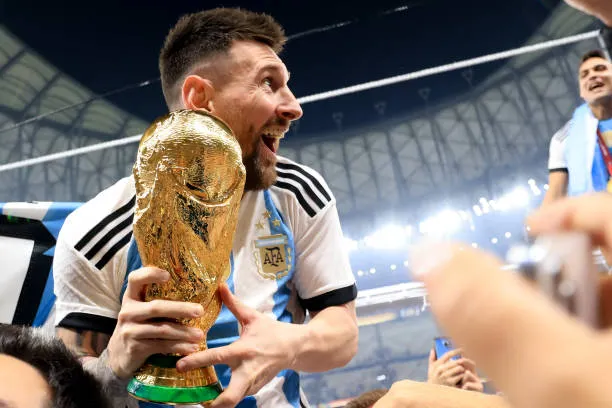

With Lionel Messi widely expected to retire from international football after the 2026 World Cup, Argentina’s performances throughout this tournament offer meaningful clues about what the national team’s future might look like once its greatest player departs.
A Squad Already Built for Transition
Manager Lionel Scaloni has spent recent years developing players capable of stepping into larger roles, and this tournament has offered real evidence of that planning paying off. Julián Álvarez’s extra-time winner against Switzerland and Enzo Fernández’s stoppage-time goal against Egypt both came in matches where Messi’s own scoring form was less prominent, suggesting Argentina’s attacking depth extends well beyond its captain.
A Culture Built to Last
Beyond individual talent, the squad’s culture, defined by shared responsibility and mutual trust across multiple tournament cycles, appears designed to outlast any single player. Continuity among core squad members since Scaloni’s 2018 appointment has created an identity that does not depend entirely on Messi’s presence to function.
The Emotional Transition
Even so, replacing a player who has defined Argentine football for two decades presents challenges beyond tactics alone. Messi’s continued influence, even in matches where he does not score, as shown by his assist against Switzerland, reflects an experience and composure that cannot simply be replicated by a single successor.
Looking to 2030 and Beyond
Regardless of how this tournament ends, Argentina’s federation and coaching staff will soon need to determine how leadership responsibilities shift within the squad. The performances of players like Álvarez, Fernández and Cristian Romero throughout this campaign suggest the transition, while emotionally significant, may prove less disruptive to results than many have feared.
Argentina’s next era begins the moment this World Cup ends, whenever and however that final chapter is written.