
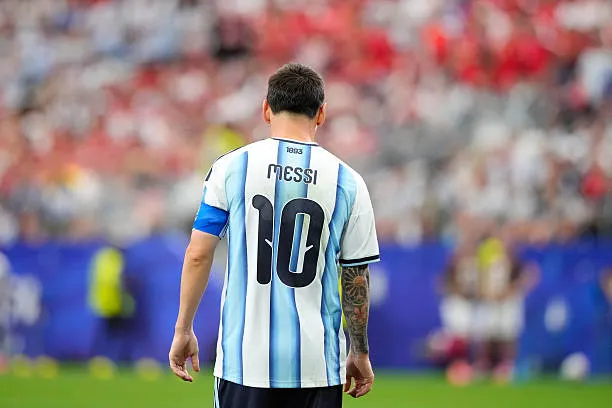

Few individual players have reshaped a national football culture as profoundly as Lionel Messi has for Argentina, transforming both the team’s fortunes and the broader identity of Argentine football over two decades.
Ending Decades of Heartbreak
Before 2021, Argentina had gone 28 years without a major senior title, a drought that fueled persistent criticism of Messi for not delivering trophies with the national team despite his club success. His performances in winning the 2021 Copa América broke that curse, followed by the 2022 World Cup title and a second Copa América in 2024.
Building a Winning Culture
Messi’s leadership, alongside manager Lionel Scaloni, helped establish a squad culture built on collective responsibility rather than reliance on a single star, evident in this tournament’s knockout wins driven by contributions from Julián Álvarez, Enzo Fernández and others alongside Messi himself.
Elevating Argentina’s Global Standing
Messi’s individual brilliance drew unprecedented global attention to Argentine football throughout his career, with his World Cup performances, including his 2026 hat-trick against Algeria, ensuring the national team remained a fixture of worldwide football conversation regardless of tournament outcomes.
A Legacy Beyond Trophies
Beyond silverware, Messi’s influence has shaped how a generation of young Argentine players approach the sport, with academies and youth programs across the country citing his work ethic and technical development as a model, contributing to a talent pipeline that continues producing players like Franco Mastantuono and Valentín Barco.
A Lasting Transformation
Whatever happens in the 2026 final against Spain, Messi has already fundamentally changed what Argentine football fans expect from their national team, shifting the standard from hopeful participation to genuine, sustained title contention.