
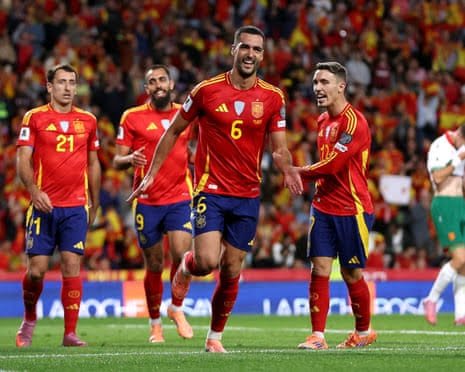

After the golden era of 2008–2012, Spain endured a difficult decade of underachievement, early tournament exits, and questions about their identity. Today, they’re back among the very best teams in the world. Here’s how it happened.
Learning From the Fall
The end of the tiki-taka dynasty exposed real problems: an aging core, a lack of directness, and rigid tactical thinking that opponents learned to neutralize. Rather than abandon their principles entirely, Spain’s federation invested in a new approach — keep the technical foundation, but add speed, directness, and youth.
Trusting the Academies
Spain never stopped producing technically excellent players. What changed was the willingness to trust teenagers on the biggest stages. Coaches began fast-tracking academy graduates into senior squads earlier than ever, giving young stars international experience well before their mid-twenties.
A More Balanced Style
Modern Spain plays with more verticality than the tiki-taka era. Wingers are encouraged to attack defenders directly, transitions are quicker, and there’s a clearer emphasis on creating and finishing chances rather than possession for its own sake.
Tournament Success
The results have followed. Deep tournament runs and major trophies have re-established Spain as a team every rival fears, built on a blend of technical mastery and youthful energy that few nations can match.
What’s Next
With more talent still coming through the pipeline, Spain’s resurgence doesn’t look like a one-off. If the federation continues backing youth development and tactical evolution, this could be the start of a new golden era rather than a brief return to form.