

The FIFA World Ranking has long been criticized for lagging behind the eye test — teams ranked highly despite recent poor form, or lower-ranked sides that consistently outperform their number when it matters in major tournaments. As football analytics have matured dramatically over the past decade, the gap between FIFA’s official ranking methodology and more sophisticated statistical models raises a legitimate question: is the ranking system still fit for purpose?
FIFA’s current formula, based on match results weighted by opposition strength, importance of the competition, and recency, was itself an improvement over earlier, simpler systems. But it still operates on a relatively coarse level compared to the modern statistical models used by top clubs and betting markets, which incorporate expected goals, squad-level player ratings, and situational context far beyond a simple win-draw-loss result.
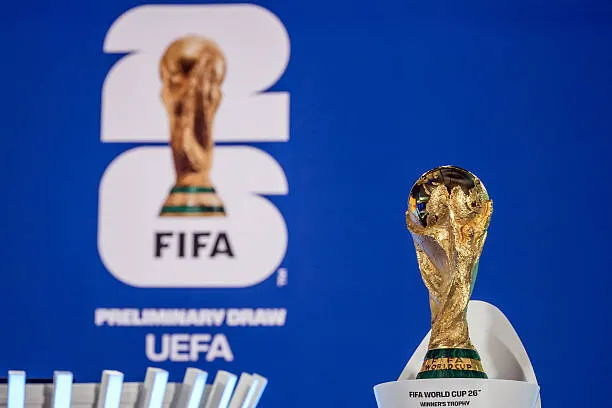
The practical consequence shows up most visibly at World Cup draws, where seeding based on the rankings can produce groups that look mismatched relative to actual current form — a side on a genuine upward trajectory landing in a brutal group, while a declining team benefits from residual ranking points earned years earlier. Federations and fans alike have voiced frustration when seeding decisions shaped by outdated rankings produce group stages that don’t reflect the sport’s actual competitive landscape.
Alternative models already exist and are publicly available, built by analytics organizations using far more granular match data, and they often diverge meaningfully from FIFA’s official numbers, especially for teams with limited fixture data against top-tier opposition. The challenge for FIFA in adopting something similar is less technical than political and administrative — any major methodology change affects seeding, prize money thresholds, and qualification pathways, making federations wary of a system that could shift their competitive standing overnight.
There is also a simplicity argument in FIFA’s favor: a ranking system needs to be explainable to fans, federations, and media in a way that a highly complex statistical model sometimes isn’t. Part of the ranking’s function is transparency and predictability, not just pure predictive accuracy.
The likely path forward is incremental refinement rather than wholesale replacement — incorporating more granular data over time while preserving a system simple enough to remain broadly understood. Whether that keeps pace with football’s rapidly advancing analytics community remains an open question, and one that will only grow louder as the gap between advanced models and FIFA’s official numbers becomes harder to ignore.