
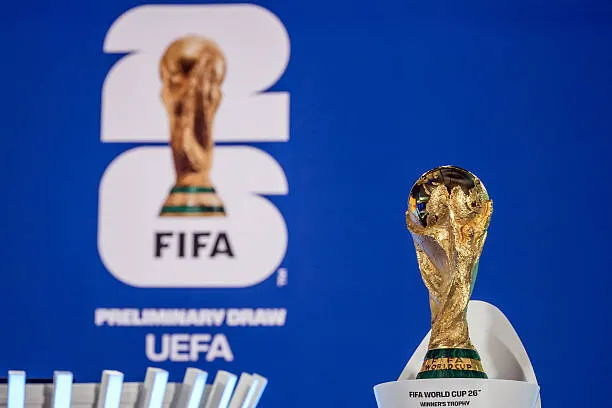

The expansion of the FIFA World Cup from 32 to 48 teams has been one of the most debated changes in the tournament’s history, and opinions remain split even as the competition reaches its final rounds.
The Case Against Expansion
Critics point to the sheer scale of the new format: 104 matches compared to 64 in previous editions, and a tournament lasting 39 days instead of roughly 32. A new Round of 32 was added simply to trim the field down to a traditional 16-team knockout bracket, adding an extra match for many teams. Some analysts argued before the tournament that this structure would dilute quality and reduce jeopardy, since one group-stage win is often enough to advance.
The Case For Expansion
Supporters argue the format has delivered genuine inclusivity, with debutants Cape Verde, Curaçao, Jordan and Uzbekistan all reaching the finals for the first time. Cape Verde’s draws against Spain and Uruguay became one of the tournament’s most celebrated storylines, a moment unlikely to have happened under the older 32-team format.
What the Tournament Has Shown So Far
The knockout rounds have still produced major upsets, including Paraguay’s penalty-shootout win over four-time champion Germany and Morocco’s elimination of the Netherlands, suggesting the expanded field has not simply favored stronger teams by default.
An Ongoing Debate
Whether the format proves a lasting success may depend on how the remaining rounds play out. What is clear is that the tournament has already reshaped who gets to compete on football’s biggest stage, for better or worse depending on which side of the debate a fan sits.