
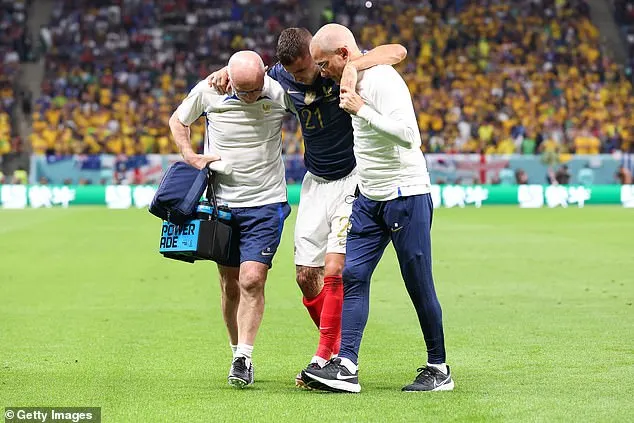

Player fatigue emerged as a significant talking point in the lead-up to the FIFA World Cup 2026, driven by an unusually compressed calendar between the end of the European club season and the tournament’s opening match.
A Packed Calendar
Major European leagues, including the Premier League and La Liga, concluded in late May, while domestic cup finals and continental competitions ran even closer to the World Cup’s June 11 start. Players named to national squads had been competing in high-level matches for roughly ten consecutive months before arriving in North America.
Union Concerns
FIFPRO, the global players’ union, held a press conference before the tournament outlining fears over burnout, specifically citing players who had logged unusually high minutes totals across the season. The union warned that overall match quality could suffer as a result of accumulated fatigue.
Coaches and Players Speak Out
England manager Thomas Tuchel acknowledged before the tournament that his players would arrive tired, saying it was simply the reality of the modern calendar. Some players have also spoken publicly in past tournaments about the mental and physical toll of back-to-back competitive seasons without adequate rest.
Why the Expanded Format Adds Pressure
The 2026 tournament’s expansion to 48 teams and 104 matches means finalists could play up to eight matches, one more than in the previous 32-team format, adding further physical demands on the players and squads that advance furthest.
These concerns have added context to some of the tournament’s shock results, including several upsets against physically fresher, lower-ranked opponents during the knockout rounds.