
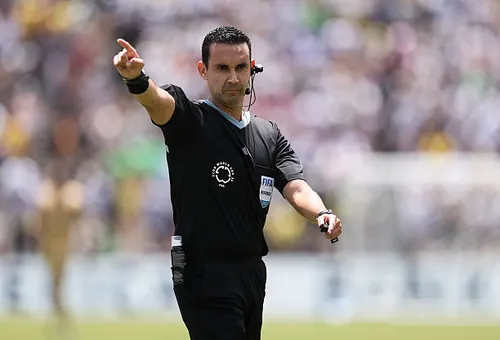

Several key officiating moments have directly influenced results at the FIFA World Cup 2026, aided by the tournament’s expanded video review powers and new offside technology.
Croatia’s Disallowed Equalizer
The tournament’s most talked-about decision came in Croatia’s Round of 16 defeat to Portugal, when officials used sensor data from the Adidas Trionda match ball to disallow a dramatic extra-time equalizer. Croatia coach Zlatko Dalic said the decision “kills the emotions” of the game, reflecting broader unease about how precise the new technology has become.
Germany’s Round of 32 Exit
Germany’s elimination by Paraguay included a disallowed extra-time goal from Jonathan Tah, ruled out after VAR determined a foul had occurred on Paraguay goalkeeper Orlando Gill moments earlier. Replays showed only marginal contact, and the decision remains debated given how directly it shaped the eventual outcome, a penalty shootout loss for the four-time champions.
Argentina’s Dramatic Round of 16 Win
Argentina’s 3-2 win over Egypt in the Round of 16 featured significant VAR involvement, contributing to a tense finish that ultimately favored the eventual quarterfinalists.
Millimeter Offside Calls
Semi-automated offside technology has produced multiple tight decisions, including a stoppage-time Iran goal against Egypt disallowed by a margin replays suggested was barely a millimeter, and a Colombia header against Portugal ruled out by a toe.
The Bigger Picture
These moments illustrate a tournament where technology has increased accuracy on factual decisions while still generating debate over how those decisions affect the emotional experience of the game for players, coaches and fans alike.