

Introduction
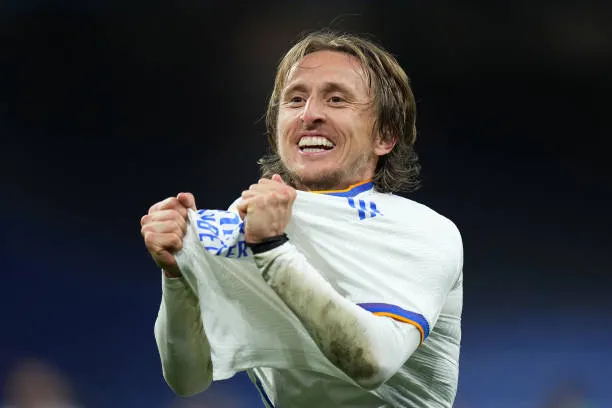
Four minutes of stoppage time, three separate VAR interventions for offside, and a disallowed goal that Croatia’s own manager called the result of refereeing so poor it “kills everything within you” — Croatia’s Round of 32 exit to Portugal was as controversial as any match of the tournament so far. It also very likely marked the end of Luka Modrić’s international career at 40 years old, closing out a fifth and final World Cup bid without the fairytale finish some had hoped for.
Table of Contents
- How Croatia got here
- The match: a lead surrendered, then a stoppage-time sting
- Biggest tactical mistakes
- Manager decisions and Dalić’s post-match comments
- The disallowed equaliser that ended the match
- Defensive problems in the closing stages
- Statistical breakdown
- Mental factors: Modrić’s likely farewell
- Future consequences for Croatian football
- Lessons learned
How Croatia Got Here
Croatia progressed from a tough group behind England, ahead of Panama and Ghana, before facing a Portugal side already carrying the pressure of Cristiano Ronaldo’s confirmed final World Cup campaign in the Round of 32. Croatia arrived with one of the tournament’s most experienced spines, led by 40-year-old captain Luka Modrić, playing in his fifth and almost certainly final World Cup.
The Match: A Lead Surrendered, Then a Stoppage-Time Sting
Analysis based on match reports: Portugal dominated the opening period without finding a breakthrough, with Bruno Fernandes and Cristiano Ronaldo both denied by good goalkeeping and last-ditch defending. Croatia took the lead against the run of play through Ivan Perišić in the 53rd minute, only for Ronaldo to level from the penalty spot in the 68th minute after Nikola Vlašić fouled Renato Veiga in the area — Ronaldo’s first-ever World Cup knockout goal. Substitute Gonçalo Ramos then headed in a stoppage-time winner from a Rafael Leão cross, before Croatia thought they had salvaged a draw through what appeared a Rúben Neves own goal, only for the goal to be ruled out for offside in the build-up.
Biggest Tactical Mistakes
Analysis: Croatia’s decision to sit in and protect a 1-0 lead for much of the second half, rather than pressing for a second goal to put the tie further out of reach, left the door open for Portugal’s sustained pressure to eventually find a way through via the penalty decision. Once level, Croatia’s shape was stretched further by Portugal’s increasingly direct approach through Rafael Leão and substitute personnel, culminating in the stoppage-time winner.
Manager Decisions and Dalić’s Post-Match Comments
Zlatko Dalić did not blame the officiating directly for Croatia’s elimination in his post-match remarks, stating plainly that “we lost, and I don’t really have the right to complain,” while still describing the overall standard of refereeing as very poor throughout the match. Croatia’s own tactical set-up, built on the experience of Modrić and a well-organised midfield including Mateo Kovačić, created several late chances of their own — Kovačić twice came close to restoring Croatia’s lead in the 75th minute, once striking the post before a follow-up effort was tipped over.
The Disallowed Equaliser That Ended the Match
Analysis: The single most contentious passage of the entire match arrived in the 113th minute, when Josko Gvardiol appeared to have equalised for Croatia, only for the goal to be ruled out via VAR “Snicko” technology, which determined that Igor Matanović had received a faint, offside-adjacent touch on the ball before it reached Gvardiol. It marked the tenth goal overturned by VAR at the tournament to that point, and Croatian fans inside the stadium responded by throwing bottles onto the pitch and booing Ronaldo whenever he touched the ball for the remainder of the match.
Defensive Problems in the Closing Stages
Croatia’s defence held reasonably well for large stretches after conceding the equalising penalty, but the specific breakdown that allowed Gonçalo Ramos to head in the winner came from a Rafael Leão delivery that found space in behind a backline increasingly stretched by fatigue in stoppage time of a match that had already gone deep into its 90-plus-minutes allocation.
Statistical Breakdown
Portugal edged the underlying shot count 15 to 13 and held 55% possession to Croatia’s 37%, with the remainder classified as contested — a relatively even contest overall that belied the dramatic nature of the finish. Four separate efforts across the match were ruled out for offside, an unusually high number even by this tournament’s already VAR-heavy standards.
Mental Factors: Modrić’s Likely Farewell
While Ronaldo’s penalty and subsequent celebration dominated the immediate post-match narrative, the human story on the losing side belonged to Modrić, playing what is very likely his fifth and final World Cup at 40 years old. Croatia’s captain has been a fixture of the national team’s golden generation since their 2018 World Cup final appearance, and this defeat closes out that era without the send-off many neutral fans had hoped for.
Future Consequences for Croatian Football
Croatia’s elimination marks a symbolic changing of the guard for a national team that has punched well above its population size for over a decade, reaching a World Cup final, a third-place finish, and multiple semi-final and quarter-final appearances during the Modrić era. The federation now faces the challenge of transitioning to a new generation of players without the guaranteed continuity that Modrić’s leadership and experience have long provided.
Lessons Learned
The clearest lesson from Croatia’s exit is how quickly fine margins — a single penalty decision, an offside review determined by micro-second contact detection — can undo an otherwise competitive, well-organised defensive performance across 120 minutes. Dalić’s own refusal to blame officiating for the result, despite his frustration with the standard of refereeing, reflects a broader acceptance that this Croatia squad’s golden generation has now likely played its final act on football’s biggest stage.
Key Statistics Table
| Metric | Figure |
|---|---|
| Final score | Portugal 2-1 Croatia |
| Possession | Portugal 55%, Croatia 37% (8% contested) |
| Shots | Portugal 15, Croatia 13 |
| Goals ruled out by VAR in the match | 4 |
| Luka Modrić’s World Cup appearances (career) | 5 editions (2006, 2014, 2018, 2022, 2026) |
Analysis compiled from match reports, not official FIFA statistics unless otherwise cited.
Conclusion
Croatia’s exit will be remembered for its dramatic finish — a stoppage-time winner, a disallowed equaliser decided by a fraction of a touch, and bottles thrown onto the pitch in protest. Beneath the controversy, though, sits a quieter and more significant story: the likely close of Luka Modrić’s remarkable international career, ending not with a trophy but with a marginal, contentious defeat to the sport’s most enduring individual star.