

Introduction
Cody Gakpo’s 72nd-minute strike, arriving in an emotional context just days after he and his partner announced the loss of their unborn son, appeared to have sent the Netherlands through to the Round of 16. Instead, Issa Diop’s stoppage-time header for Morocco forced extra time, and a dramatic penalty shootout ended Dutch hopes in Monterrey — a defeat that raises real questions about how a lead was allowed to slip in the tie’s closing stages.
Table of Contents
- How the Netherlands got here
- The match: a late lead surrendered
- Biggest tactical mistakes
- Manager decisions under scrutiny
- The penalty shootout collapse
- Defensive problems in the closing stages
- Statistical breakdown
- Mental factors under Ronald Koeman
- Future consequences for Dutch football
- Lessons learned
How the Netherlands Got Here
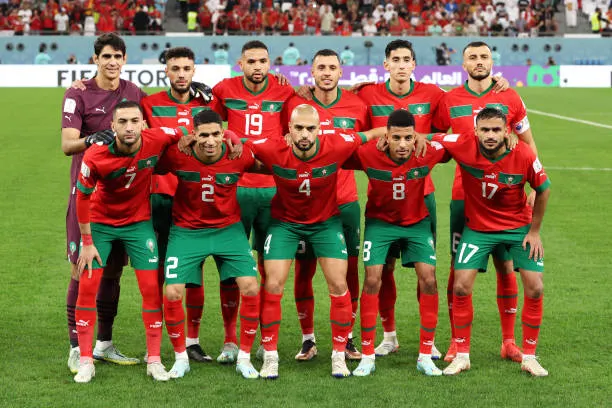
The Netherlands progressed through the group stage having drawn with Japan before wins over Sweden and Tunisia, entering the Round of 32 as one of the more fancied European sides in the bracket. Morocco, by contrast, arrived having already established themselves as the tournament’s most battle-tested underdog, having reached the 2022 semi-finals and topped their own group ahead of Croatia and Belgium.
The Match: A Late Lead Surrendered
Analysis based on match reports: the first half was goalless and physical, with momentum swinging between both sides without either finding a breakthrough. Morocco created the better chances after the interval, with Achraf Hakimi striking the crossbar, before a Netherlands goal-kick led to a swift counter-attacking move — Wout Weghorst’s flick header releasing Crysencio Summerville, who set up Cody Gakpo to finish emphatically in the 72nd minute. That lead held until the first minute of stoppage time, when Issa Diop headed home from a Chemsdine Talbi cross to force extra time.
Biggest Tactical Mistakes
Analysis: With a one-goal lead deep into stoppage time, the Netherlands’ defensive shape allowed Morocco a free corner delivery that led directly to Diop’s equaliser — a set-piece marking lapse in the highest-pressure moment of the match. Ronald Koeman’s side had generally defended set pieces competently across the tournament, making this specific breakdown, in the match’s most consequential moment, particularly costly.
Manager Decisions Under Scrutiny
Koeman’s introduction of Wout Weghorst proved a double-edged decision — his flick header directly created the goal that put the Netherlands ahead, but the Dutch shape afterward struggled to see out the remaining minutes, suggesting a mismatch between the personnel introduced to chase or protect a lead. With the tie still level after extra time, the shootout that followed exposed further depth issues in the squad’s composure under maximum pressure.
The Penalty Shootout Collapse
The Netherlands missed three penalties in the shootout — including efforts from Justin Kluivert and Jurriën Timber — while Morocco goalkeeper Yassine Bounou also saved a spot-kick from Crysencio Summerville, before Ismael Saibari converted the winning penalty for Morocco. Timber’s miss was particularly costly: after sending goalkeeper Bounou the wrong way with a clever fake, he pulled his shot wide of the target entirely rather than missing through pressure alone.
Defensive Problems in the Closing Stages
Analysis: Beyond the stoppage-time equaliser, the Netherlands’ defence also survived a let-off moments earlier, when Bart Verbruggen produced a stunning point-blank save to deny Soufiane Rahimi what appeared a certain Morocco goal in the 97th minute — the save of the tournament to that point. That the Dutch required such an intervention just to reach penalties, having led with only minutes remaining, underlines how porous the defensive structure became in the closing stages of normal and extra time.
Statistical Breakdown
The Netherlands became the second European side eliminated on penalties within a matter of hours, following Germany’s own shootout exit to Paraguay earlier the same day — a coincidence that intensified scrutiny on European penalty-taking composure at this tournament. Morocco advanced 3-2 on penalties after the 1-1 draw, sending co-hosts Canada as their reward in the Round of 16.
Mental Factors Under Ronald Koeman
The emotional backdrop of Cody Gakpo’s personal circumstances added a layer of poignancy to his goal and the team’s collective response, with teammates surrounding him in emotional celebration after his strike. That the lead ultimately slipped away in such dramatic fashion, followed by a shootout defeat, made for one of the most emotionally charged exits of the tournament’s knockout rounds.
Future Consequences for Dutch Football
The Netherlands’ continued wait for a first-ever World Cup title — a nation that has finished runner-up three times without ever lifting the trophy — extends at least until the 2030 tournament. Questions about squad depth in high-pressure moments, particularly regarding penalty composure, are likely to feature prominently in the Dutch federation’s post-tournament review.
Lessons Learned
The clearest lesson from this exit is how quickly control can evaporate in the final minutes of a knockout match — a set-piece marking error undid 71 minutes of largely solid defensive work, and the resulting shootout exposed a squad short on composure under maximum pressure. Morocco’s proven big-match temperament, built on their 2022 run, proved the decisive difference over 120 minutes plus penalties.
Key Statistics Table
| Metric | Figure |
|---|---|
| Final score | Netherlands 1-1 Morocco (Morocco win 3-2 on penalties) |
| Netherlands’ penalties missed in shootout | 3 (Kluivert, Timber, and one other) |
| Time of Netherlands’ goal | 72nd minute (Gakpo) |
| Time of Morocco’s equaliser | 90+1′ (Diop) |
| Netherlands’ best-ever World Cup finish | Runner-up (1974, 1978, 2010) |
Analysis compiled from match reports, not official FIFA statistics unless otherwise cited.
Conclusion
Few exits at this World Cup have been as dramatic or as narrow as the Netherlands’ Round of 32 elimination — a lead held for 19 minutes, surrendered in the first minute of stoppage time, and ultimately settled by a shootout the Dutch could not win. The margins here were genuinely fine, but Morocco’s tournament-tested composure under pressure proved the difference over the full 120 minutes.