

Introduction
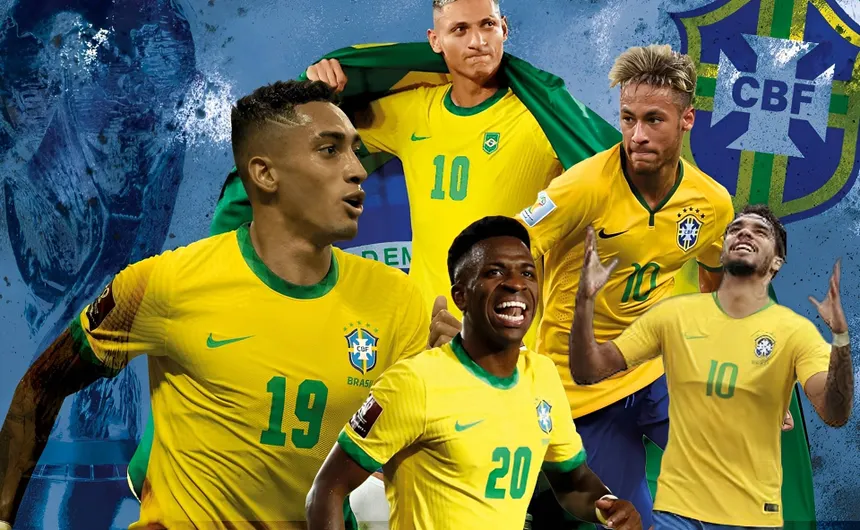
On paper, Brazil’s front line for this World Cup was arguably the most talent-dense in the entire tournament — Vinícius Júnior, Neymar, Rodrygo, Raphinha and teenage sensation Endrick all available to Carlo Ancelotti at various points. And yet Brazil managed only a single goal from open play across their final two matches, were eliminated in the Round of 16 by a Norway side making its first World Cup appearance in 28 years, and now face a genuine reckoning over why so much individual quality produced so little collective end product when it mattered most.
Table of Contents
- How Brazil got here
- The match: control without conversion
- Biggest tactical mistakes
- Manager decisions under scrutiny
- Missed chances that summed up a tournament
- Defensive problems in the final stretch
- Statistical breakdown
- Mental factors and squad harmony
- Future consequences for Brazilian football
- Lessons learned
How Brazil Got Here
Brazil progressed through the group stage with wins over Scotland and Haiti either side of a draw with Morocco, then beat Japan in the Round of 32 to set up a heavyweight Round of 16 tie against Norway. Vinícius Júnior arrived as the team’s talisman, having become the first Brazilian since Ronaldo and Rivaldo in 2002 to score in all three group stage matches — a statistic that made Brazil’s eventual attacking sterility against Norway all the more surprising.
The Match: Control Without Conversion
Analysis based on match reports: Brazil created the better first-half chances but were repeatedly denied by Norway goalkeeper Ørjan Nyland, including a crucial save from a Bruno Guimarães penalty. In the second half, Endrick spurned a clear one-on-one chance created by Vinícius within a minute of coming on, and further efforts from Rayan were also saved. Norway’s Erling Haaland scored twice in the final 11 minutes to win the match 2-1, with Neymar’s stoppage-time penalty offering only consolation.
Biggest Tactical Mistakes
Analysis: Brazil’s attacking talent was never in question, but the team’s overall structure appeared to rely on individual moments of quality rather than a coherent collective attacking plan — a pattern that has followed the national team across multiple recent tournament cycles. Against a well-organised Norwegian defence that sat in and absorbed pressure, Brazil lacked a clear secondary plan once their initial chances were saved, settling into predictable patterns that Norway’s back line increasingly read.
Manager Decisions Under Scrutiny
Carlo Ancelotti’s decision to bring on Neymar relatively late in proceedings, rather than earlier when Brazil were still level and searching for a breakthrough, is a substitution timing question likely to be revisited given the veteran’s immediate penalty contribution once introduced. Ancelotti described the exit as “the beginning not the end” for this Brazil group, suggesting the Italian views the current squad’s development as an ongoing project rather than a finished product that simply underperformed.
Missed Chances That Summed Up a Tournament
The clearest individual moment of what went wrong arrived just 52 seconds after Endrick’s introduction as a substitute: sent through by an exceptional Vinícius Júnior through-ball, the young forward’s heavy first touch turned a clear scoring opportunity into a rushed, misplaced shot. Combined with Bruno Guimarães’ saved first-half penalty — taken instead of Vinícius, by mutual agreement over hierarchy — Brazil’s two clearest chances of the match both went unconverted.
Defensive Problems in the Final Stretch
While this was primarily an attacking story, Brazil’s defence also unravelled in the closing stages, conceding twice in an 11-minute window as the team committed increasing numbers forward in search of a breakthrough. Haaland’s second goal, steered through the legs of Danilo in the dying seconds of regulation time, exemplified a defensive line stretched thin by Brazil’s own attacking desperation.
Statistical Breakdown
Despite fielding one of the most decorated attacking lineups at the tournament, Brazil managed only a single goal from open play across their final two knockout matches combined, with Neymar’s stoppage-time strike against Norway coming from the penalty spot rather than open play. Vinícius Júnior’s four group-stage goals remained the team’s leading tally for the entire tournament, with no other forward managing a comparable individual contribution across the full campaign.
Mental Factors and Squad Harmony
Brazilian supporters inside MetLife Stadium were visibly emotional by full time, with many leaving the ground early in what was described as a collective sign of resignation rather than anger. The decision over who should take the first-half penalty — and the subsequent miss — added a layer of second-guessing to a squad that, on paper, had no shortage of match-winners capable of stepping up in that moment.
Future Consequences for Brazilian Football
Brazil’s exit extends the nation’s wait for a sixth World Cup title beyond 24 years, and intensifies scrutiny on whether the current generation of attacking talent — much of it playing across Europe’s biggest clubs — can translate individual club form into a coherent international attacking identity. Ancelotti’s continued tenure, and his framing of this tournament as a starting point, suggests continuity is the federation’s preferred path rather than wholesale personnel change.
Lessons Learned
The clearest lesson from Brazil’s attacking struggles is that assembling elite individual talent does not automatically produce a cohesive collective attacking system, particularly against organised, disciplined opposition willing to sit in and defend. The specific moments that decided the tie — a saved penalty, a spurned one-on-one, a stretched defensive line in the final minutes — all point to fine margins, but the broader pattern of underperformance relative to individual quality is the more significant story for Brazilian football to address.
Key Statistics Table
| Metric | Figure |
|---|---|
| Final score | Brazil 1-2 Norway |
| Brazil’s goals from open play (final two matches) | 0 |
| Vinícius Júnior’s tournament goals | 4 (Brazil’s leading scorer) |
| Brazil’s earliest World Cup exit since | 1990 (Round of 16) |
| Years since Brazil’s last World Cup title | 24 |
Analysis compiled from match reports, not official FIFA statistics unless otherwise cited.
Conclusion
Brazil’s attacking talent was never the issue in isolation — Vinícius Júnior, Neymar, Endrick and Rodrygo represent as much individual quality as any front line in the tournament. What went wrong was the collective failure to convert genuine chances in the moments that mattered most, a pattern that cost Brazil against a Norway side with a fraction of that talent but a considerably more clinical edge when it counted.